How to Buy a Car: Budget, Vehicle History, Inspection, and Negotiation Tips
- Set Your Budget Before You Shop
- New vs. Used vs. Certified Pre-Owned: Which Is Right for You
- Define Your Needs Before You Start Browsing
- What to Look for When Evaluating a Vehicle
- Safety Ratings
- Reliability and Ownership Costs
- Fuel Type: Gas, Hybrid, or Electric
- Technology and Connectivity Features
- Interior Space and Fit
- Vehicle History: What to Check Before Buying a Used Car
- Get a Pre-Purchase Inspection
- Test Drive Checklist
- Negotiating the Price
- Common Car-Buying Mistakes to Avoid
- Frequently Asked Questions
Buying a car is an exhilarating experience. However, making a hasty decision may result in costly errors. Before buying a car, it is crucial to understand your budget, determine which features are most important to you, and decide whether to purchase a new or previously owned car. It is equally important to review the vehicle’s history and condition.
Knowing what to look for when purchasing a car, from establishing a budget to physically viewing and inspecting the vehicle to ultimately negotiating a final price, can leave you with confidence in your purchase.
Set Your Budget Before You Shop
Before you begin shopping around for a vehicle, determine how much money you are comfortable spending. The sticker price is one thing; however, there are many other costs associated with purchasing a vehicle. A good rule of thumb is to keep your monthly car payment at 15% or less of your monthly income. This helps you stay on budget and leaves room for other important expenses.
Getting financing before visiting the car dealer can make it easier to purchase a new vehicle. This is helpful because you have more leverage at the car lot and are less likely to accept financing that isn’t in your best interest.

What Your Budget Should Include
Before you buy, make sure you’ve planned for these common costs:
- Down Payment: This is the lump-sum cash you hand over on day one. A healthy down payment drops the amount of money you need to borrow, which shrinks your monthly payments.
- Monthly Payment: This is the amount automatically deducted from your bank account every single month. It is best to keep this at 15% or less of your monthly income.
- Insurance Estimate: You cannot legally drive off the lot without car insurance. Insurance companies decide your rate based on your age, driving record, and the type of car you buy.
- Fuel or Charging Costs: Regardless of whether your vehicle is powered by gasoline, diesel, or electricity, consider the monthly cost of fueling or charging.
- Maintenance and Repairs: Set aside funds for routine maintenance and repairs, such as oil changes and tire replacements. This can help you avoid financial surprises and cushion the impact of an unforeseen repair.
Getting Pre-Approved for Financing
Getting financing approval from a lender or bank before arriving at a car dealership is one of the best ways to ensure you are financially prepared when purchasing a new or used vehicle. This will also give you an idea of what you can afford for the monthly payment and whether there are any fees associated with the lending process.
Having a pre-approved loan sets a spending limit, allowing you to focus on all vehicle options within your price range. Having funding in place before visiting the dealership gives you an advantage when negotiating because you rely less on the dealership for financing. Additionally, if the dealer offers a lower interest rate than the one you were approved for through another financial institution, you can compare both options and choose the one that will save you the most money.
New vs. Used vs. Certified Pre-Owned: Which Is Right for You
Most new cars are equipped with the latest safety features and technology and come with a complete factory warranty. This reduces your risk of having to pay for repairs during the first couple of years. Buying a new car generally carries a higher purchase price. In addition, new cars tend to lose resale value more quickly than older models (used vehicles).
Used cars are normally less expensive than new ones, and when properly cared for, they can be an excellent deal. However, the vehicle’s condition will depend on how the previous owner maintained it. Some used cars may have unknown issues. They may have had an accident in the past or may require additional maintenance as the car gets older. Therefore, it is important to check the vehicle history report and have the vehicle inspected prior to purchasing.
A certified pre-owned (CPO) vehicle is one that has been inspected in detail by either the manufacturer or an authorized dealership. Most CPOs have a limited warranty, and many also offer additional perks, such as roadside assistance or special financing. Although most CPO vehicles are priced higher than standard used vehicles, they can provide consumers with greater assurance when purchasing a used vehicle at a reduced price rather than buying new.
Type | Typical Cost | Warranty | Risk Level | Best For |
New | Highest | Full manufacturer warranty | Lowest | Buyers who want the latest features, maximum reliability, and full warranty coverage. |
Used | Lowest | May have little or no warranty (usually sold “As-Is”) | Highest | Budget-conscious buyers who don’t mind doing extra research and possible repairs. |
Certified Pre-Owned (CPO) | Mid-range (Used price plus a premium) | Manufacturer-backed limited warranty | Moderate to low | Buyers who are looking for a balance between affordability, warranty, protection, and peace of mind. |
Define Your Needs Before You Start Browsing
If you don't decide on your must-have features before you start shopping, it's easy to get distracted by shiny paint, a premium sound system, or a panoramic sunroof. When you become emotionally attached to a particular car, it's much harder to negotiate confidently because the dealer may recognize that you're already eager to buy it.
Therefore, it is smart to figure out what you truly need before you start shopping. To keep yourself in check, ask yourself these questions:
- How many seats do you actually need?If it’s usually just you or your small family, you may not need a large SUV with three rows of seats. Buy for your everyday life, not the occasional family trip.
- How much cargo space do you use? Think about what you normally carry, like groceries, sports gear, work equipment, or a stroller. Make sure the trunk or cargo area fits your daily needs.
- Will you be towing anything? Consider whether your new ride has enough towing capacity to safely haul a trailer, camper, or boat. Paying for this feature might be unnecessary if your vehicle already has enough towing capacity.
- What is your daily drive like? If you spend lots of time driving around town, you might be able to save money on gas with a fuel-efficient or electric vehicle. The same goes if you primarily drive through heavy traffic; a small vehicle will likely be much easier to park and navigate through tight spaces than an oversized pickup or SUV.
What to Look for When Evaluating a Vehicle
Before making a purchase decision on a new, used, or CPO vehicle, take a closer look at what matters most to you in the long run. From safety and reliability to fuel costs and interior space, here are things to know before buying a car that can help you avoid buyer’s remorse later.
Safety Ratings
To get the truest picture of how a car handles an accident, you should always check its safety scores from organizations that test cars in different ways.
The National Highway Traffic Safety Administration (NHTSA) conducts crash tests on vehicles to measure how well a car will protect its occupants during a collision. It usually gives them a 1- to 5-Star rating. A 5-Star rating is the ideal standard for crash safety.
Similarly, the Insurance Institute for Highway Safety (IIHS) is another independent agency funded by automobile insurance companies, dedicated to reducing deaths from car crashes. The IIHS is known for conducting extremely aggressive testing, such as evaluating how brightly the headlights illuminate the road and whether the vehicle brakes well for pedestrians crossing at night. The IIHS's highest achievement award is the Top Safety Pick+.
Checking both scores ensures you buy a vehicle that is great at surviving a crash and great at preventing one from happening in the first place.
Reliability and Ownership Costs
A low price tag doesn’t always mean a car will be the cheapest to maintain. Some cars last a long time before needing costly repairs, while there are some vehicles that may break down early or cost a lot to fix once broken.
Consider researching reliability rankings and reading what owners have said about their experience with the specific make and model you’re interested in. The data from these resources should give you an idea of how reliable the vehicle really is.
Additionally, factor in other regular expenses associated with owning the car, such as routine maintenance, parts replacement, insurance premiums, and gas prices. In the long run, you can save thousands of dollars by looking beyond the purchase price and considering all the costs of owning the car.
Fuel Type: Gas, Hybrid, or Electric
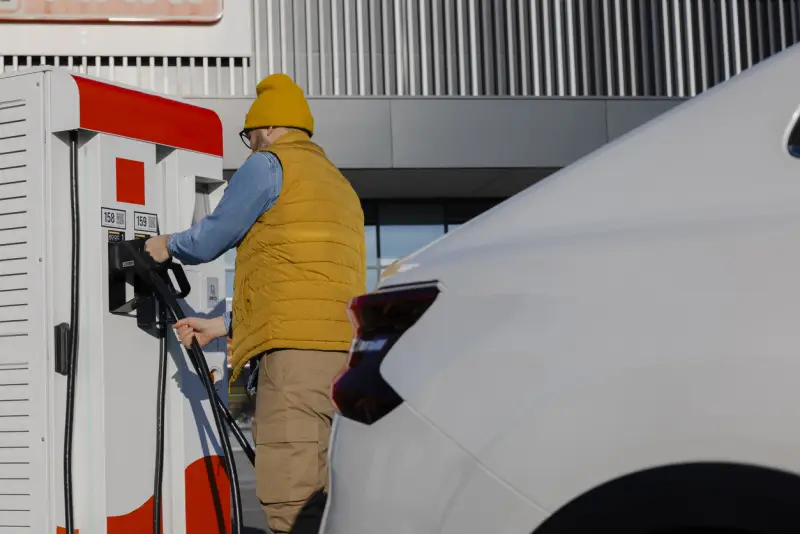
Electric Vehicles (EVs) generally have the highest upfront cost. However, they are more affordable to run because electricity is typically cheaper than gas, and EVs tend to have fewer components that require repair. If you are considering an EV, be sure you have access to convenient charging.
Gasoline-powered cars may have a lower purchase price, but gas prices can fluctuate, increasing overall costs. Hybrid vehicles will also save money by using less gas than gasoline-powered vehicles, thus lowering consumers’ monthly expenses. However, hybrids do come with a higher initial cost.
Technology and Connectivity Features
Modern cars have a lot of new technology. However, not all of its features may be relevant to you. Rather than looking at the number of features your modern car comes equipped with, consider how many of them you use daily.
If you use your cell phone for maps, music, and calls, ensure the vehicle supports either Apple CarPlay or Android Auto. Ensure that when you sit down in the driver’s seat, most key control buttons are easily accessible without taking your eyes off the road. Test other features, such as backup cameras, GPS navigation, and driver assistance systems, to verify that they work as expected rather than merely as stated in the owner’s manual.
Interior Space and Fit
Before purchasing a vehicle, be sure to spend some time in it. A vehicle may look beautiful on the exterior; however, as soon as you sit down in the driver’s seat, you may find that the interior is cramped.
Check the driver’s seat height and position to ensure it fits comfortably. Next, check that all the windows and rearview mirrors provide a clear view. Also, ensure that you and your passengers have enough room above your heads (headroom) and below your knees (legroom) when seated.
If you are looking at an SUV or minivan, try folding the second- or third-row seats to get an idea of how easy it is. Additionally, determine if the folded-down seating creates an adequate cargo area for your daily needs.
Vehicle History: What to Check Before Buying a Used Car
Buying a used car can save you a lot of money. However, buying a used car comes with its own cons. Some problems aren’t obvious during a quick inspection or a short test drive. This is where checking the vehicle’s history becomes important. Using a trusted platform like GoodCar to run a VIN lookup lets you see critical information that a seller might try to hide, including:
- Check for Accidents and Previous Damage: Visually inspect the vehicle for any evidence of prior repairs. If you notice anything such as mismatched paint, uneven body panel gaps, crooked trim, or doors and trunk lids that do not close properly, this could indicate that the owner did not disclose past repairs.
- Check the Title Status: If the title is marked salvage, flood, or rebuilt, then ask questions before making any purchases. Vehicles bearing these brand titles typically sustained significant damage. Even though some repaired vehicles may remain reliable, others may develop costly problems down the road.
- Verify the Odometer Reading: The mileage on the car’s odometer must match its service history. If the numbers do not add up or the mileage appears to have been rolled back, it may indicate an altered odometer or missing records.
- Check the Number of Previous Owners: A lower number of long-term owners may indicate the level of consistent maintenance the vehicle may have received over time. On the contrary, multiple owners in a very short time frame could indicate neglect or poor-quality care.
Why a Vehicle History Report Matters
A vehicle history report provides insight into a vehicle prior to purchase by allowing you to obtain information about it based on its Vehicle Identification Number (VIN). By entering the VIN, you gain access to information, such as title problems, reported accidents, ownership history, and odometer readings. The data in the report may indicate issues with the vehicle that could have gone undetected during a test drive.
While a history report can serve as a useful resource for you when shopping for a used vehicle, there are many other ways to gather information in addition to using this service.
Sometimes accidents, repairs, or maintenance records may go unreported. Therefore, before deciding whether to purchase a used vehicle, conduct a thorough physical inspection. Ideally, get a trusted mechanic to inspect the vehicle prior to purchase. Combining both will give you the most confidence and knowledge to make an informed decision.
Get a Pre-Purchase Inspection
The average cost for a pre-purchase inspection is approximately $100-$150. An inspection could potentially save you money in repairs down the line and ultimately save you money. In essence, an inspection is a low-cost way to help prevent a more expensive repair later on.
Most dealerships will allow you to inspect the vehicle before purchasing. If you are going to purchase from a private party and they do not permit you to take the vehicle away to inspect it, you can meet at a local repair shop. This protects both parties.
If a seller does not allow you to inspect the vehicle or makes excuses for not permitting the inspection, this should serve as a “red flag” for potential hidden problems with the vehicle.
Test Drive Checklist
A test drive is your one big chance to make sure a car is actually in good condition before you commit to buying it. To keep your head clear and make sure you don’t miss a thing, here’s what to check for:
- Drive in daylight. It’s much easier to spot dents, scratches, paint repairs, cracked lights, or windshield chips when the sun is out.
- Try different types of roads. Drive on neighborhood streets, busy roads, and, if possible, the highway. This helps you see how the car handles at both low and high speeds.
- Listen for unusual noises. Be aware of any rattling or knocking sounds while driving and braking. Also, pay attention to squealing or grinding sounds when turning.
- Perform a brake test. Your vehicle’s brakes should feel smooth and stop the vehicle evenly without pulling in one direction.
- Perform a steering test. The vehicle’s steering should feel responsive. It should not be loose nor over-stiff.
- Check blind spots. Adjust all mirrors so that you can see everything around the vehicle. If there are blind spots, driving the vehicle becomes unsafe.
- Test the backup camera. Start the car and shift into reverse; check for a clear camera view and that it isn’t blurry or flickering. Also, check that the “parking guidelines” (if they are available) function as intended.
- Assess the dashboard in low light. Drive at sunset, or pull into a shaded area and flip on your headlights to see what your dashboard looks like in low-light conditions. See if you can easily read your dashboard gauges, buttons, and controls.
- Try all the main controls. Test the air conditioning, heater, windshield wipers, turn signals, headlights, horn, power windows, locks, and infotainment system.
- Test all the safety features. Blind spot monitoring systems, lane departure warning systems, adaptive cruise control, and automatic emergency braking systems. Ensure these systems activate and perform as intended while driving.
- Make sure you are comfortable. Your seating should provide an unobstructed view of the roadway and allow comfortable foot-pedal operation and use of vehicle controls.
Negotiating the Price
The Manufacturer’s Suggested Retail Price (MSRP) of a brand-new automobile is listed on an official-looking sticker affixed to the lower-left corner of the car’s windshield. The MSRP is the manufacturer's suggested retail price for that particular car model. Although dealerships would have you believe this is a fixed price, the reality is that a dealer may sell the car for less than the MSRP, making it worthwhile to negotiate the price.
Therefore, when purchasing a vehicle, it is advisable to research the Average Transaction Price, which represents the actual amount people in your local area pay for the same vehicle.
If you’re buying a used car, compare prices for similar vehicles with the same model year, mileage, condition, and features. This will help you recognize a fair asking price and spot overpriced listings.
If you are planning to trade in your current vehicle, find out what it’s worth before going to the lot. Research its trade-in value online, using reliable websites. This helps you have a good idea of whether the dealer’s offer is reasonable.
During negotiation, focus on the facts and firmly state why you believe the price should be lower.
Before signing the paperwork, ask for the out-the-door price, which includes the vehicle price, taxes, registration fees, dealer fees, and any optional add-ons. This helps you see exactly what you’re paying for before you sign.
Common Car-Buying Mistakes to Avoid
Knowing these common mistakes can help you avoid spending more than you need to or ending up with a car you’ll regret buying.
- Skipping loan pre-approval. Get pre-approved by a bank, credit union, or lender. This gives you a better idea of your budget and may help you get a lower interest rate.
- Shopping without a budget. Determine what you can reasonably spend at the beginning of your search, and commit to that number.
- Not test driving the vehicle. It’s always best to take the vehicle out for a test drive under various road conditions to see if it meets all your needs.
- Not looking at costs beyond the purchase price. There are many other costs associated with owning a car, such as fuel, insurance, maintenance, repair, registration, and taxes.
- Looking at a used car at night or in the rain. As much as is possible, view a used vehicle in good daylight with clear weather. This will allow you to better access the vehicle’s current status.
- Skipping an independent assessment. An independent assessment by a professional may reveal issues that are not immediately apparent. These issues may potentially lead to costly repairs down the road.
- Making a hasty purchase decision. Take your time, review all available choices, and do not be afraid to walk away from a deal should you become uncomfortable about making it.
Frequently Asked Questions
What credit score do you need to buy a car?
While it isn’t necessary to have a particular minimum credit score to purchase a car, most lenders require that your credit score be at least 660 or greater. Buyers with lower credit scores may still get approved for a car loan, but it typically comes with a higher interest rate.
Is it better to buy a car at the end of the month?
Yes, the end of the month is typically the best time to buy a car because salespeople are rushing to hit their monthly sales goals. Since dealerships often receive financial bonuses from car manufacturers for hitting their sales targets, they are usually more willing to drop their prices and negotiate a great deal before the month closes.
How much should you put down on a car?
You should aim to make a down payment of at least 20% for a brand-new car or 10% for a used car. Putting this much cash down on day one shrinks your monthly payments and prevents you from owing more than the car is actually worth.
Should you buy or lease a car?
You should buy a car if you intend to own it forever and drive as many miles as you want, but you should lease if you prefer driving a brand-new car every few years and want lower monthly payments. Buying is a smart long-term investment because you eventually stop paying for the car, while leasing is essentially renting the car and requires you to return it when the lease is up.
How do you know if a used car has been in an accident?
You can determine whether a used car has been involved in an accident by running a VIN check and personally inspecting it for signs of damage. Mismatched paint or an uneven gap between metal body panels may indicate a previous collision. Since many wrecks go unreported, the only way to determine whether a car has been in an accident is to combine physical and digital checks.
- Set Your Budget Before You Shop
- New vs. Used vs. Certified Pre-Owned: Which Is Right for You
- Define Your Needs Before You Start Browsing
- What to Look for When Evaluating a Vehicle
- Safety Ratings
- Reliability and Ownership Costs
- Fuel Type: Gas, Hybrid, or Electric
- Technology and Connectivity Features
- Interior Space and Fit
- Vehicle History: What to Check Before Buying a Used Car
- Get a Pre-Purchase Inspection
- Test Drive Checklist
- Negotiating the Price
- Common Car-Buying Mistakes to Avoid
- Frequently Asked Questions

Ben is a Digital Overlord and Chief Security Officer at InfoTracer.com who takes a wide view from whole system. He authors guides on entire security posture, both physical and cyber. Enjoys sharing best practices and does it the right way!

Related Articles

Comprehensive Facts on Private Investigators and How to Hire them
Whether you need to find a missing person or find out if your spouse is cheating, you may, at some point,... Read More

Factual Research and Public Records: What to Know
The internet is a vast playground where you can conduct just about any type of research imaginable. Resea... Read More

Online And Offline Methods to Find Someone's Birthday
Determining someone’s birthday can be helpful so individuals can stay connected with loved ones or ... Read More

How Does Facebook People Search Work?
Social media platforms are great for finding long lost friends or family in far-flung places, but how the... Read More

How to Lookup Someone’s Dating Profile and Why You Should Do It
Online dating has become the new normal for people who want to be in a relationship. While the old schoo... Read More
